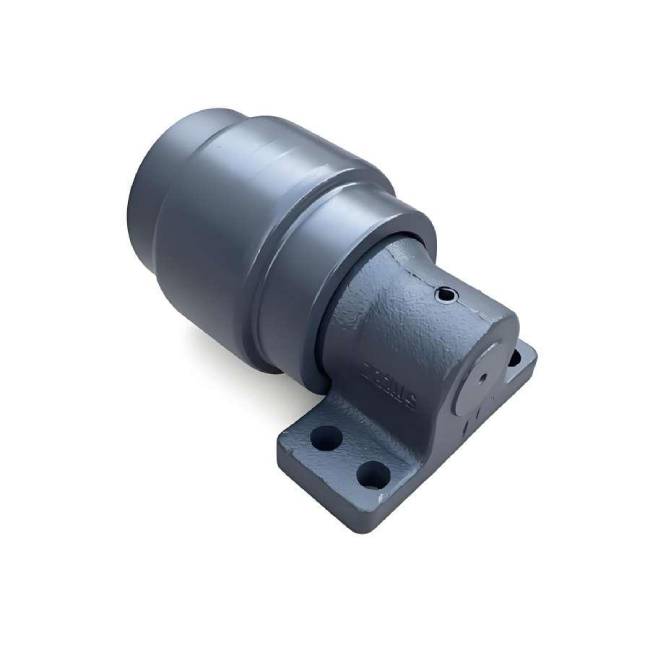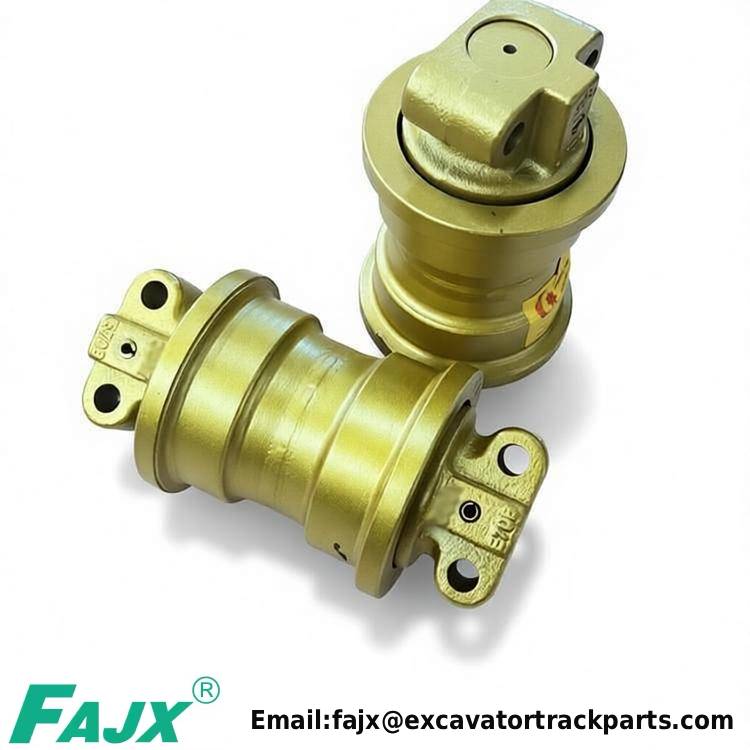

How Does a Track Bottom Roller Improve Excavator Undercarriage Performance?
Article Summary
The track bottom roller is one of the most important components in an excavator undercarriage system. Although it works continuously under the machine, many operators only notice its importance when problems such as abnormal noise, track instability, excessive wear, or unexpected downtime occur. A high-quality track bottom roller supports the weight of the excavator, guides the track chain, reduces friction, and helps maintain smooth movement during heavy-duty operations.
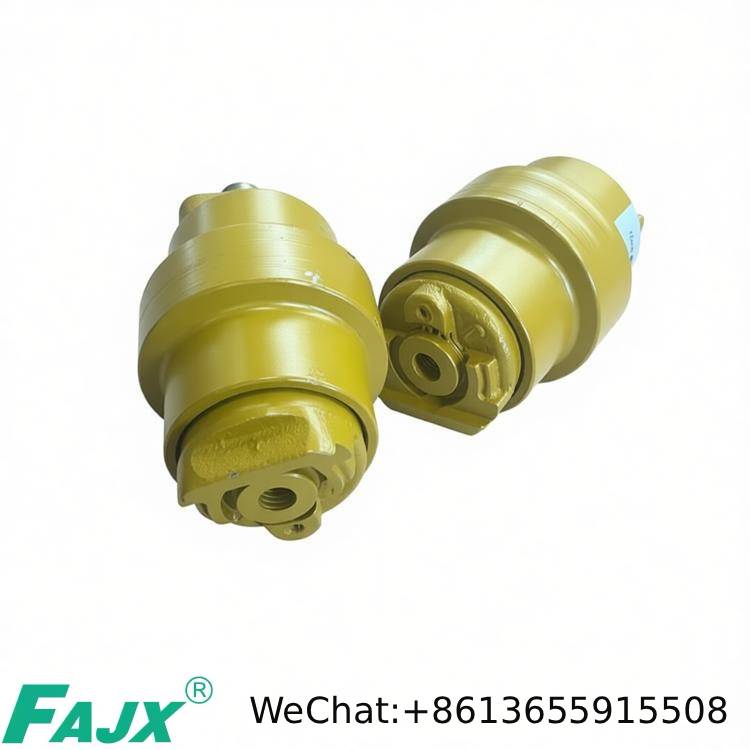
This article explains how a track bottom roller works, why it matters, what problems can occur when it fails, and how choosing the right replacement component can improve equipment reliability. Based on professional manufacturing experience from Quanzhou Qiansheng Heavy Industry Machinery Co., Ltd., this guide provides practical information to help excavator owners, contractors, and machinery maintenance teams make better decisions when selecting undercarriage parts.
Table of Contents
- 1. What Is a Track Bottom Roller?
- 2. How Does a Track Bottom Roller Work?
- 3. Why Is a Track Bottom Roller Important for Excavators?
- 4. Common Problems Caused by Poor Track Bottom Rollers
- 5. How to Choose the Right Track Bottom Roller?
- 6. Maintenance Tips to Extend Roller Service Life
- 7. Key Differences Between Standard and High-Quality Rollers
- 8. Frequently Asked Questions
Article Outline
- Understanding the function and structure of track bottom rollers
- Explaining the working process inside an excavator undercarriage
- Identifying operational benefits and customer pain points
- Analyzing common failures and prevention methods
- Providing guidance for purchasing and maintenance decisions
What Is a Track Bottom Roller?
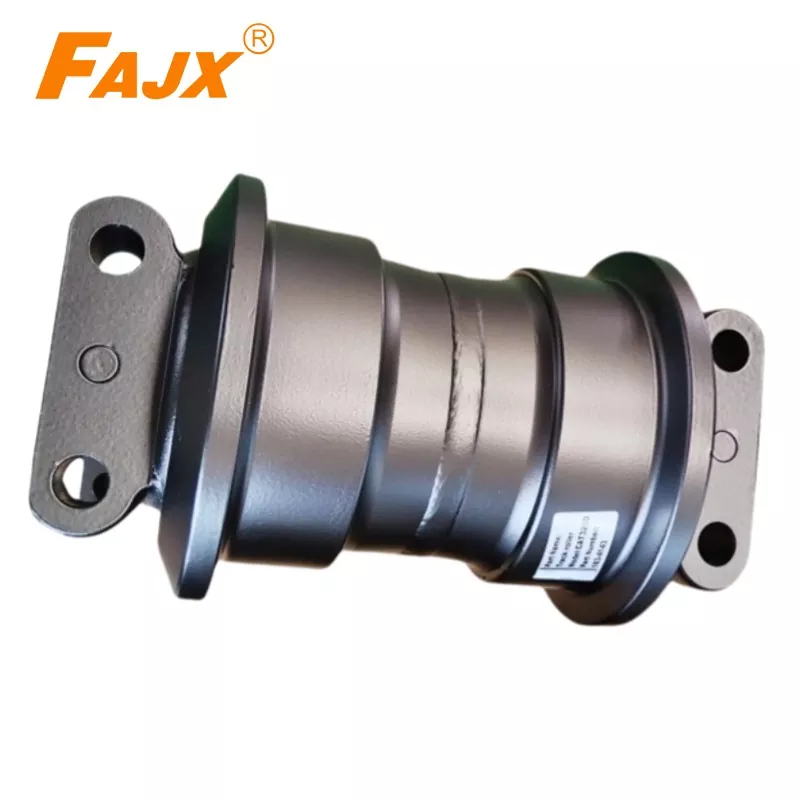
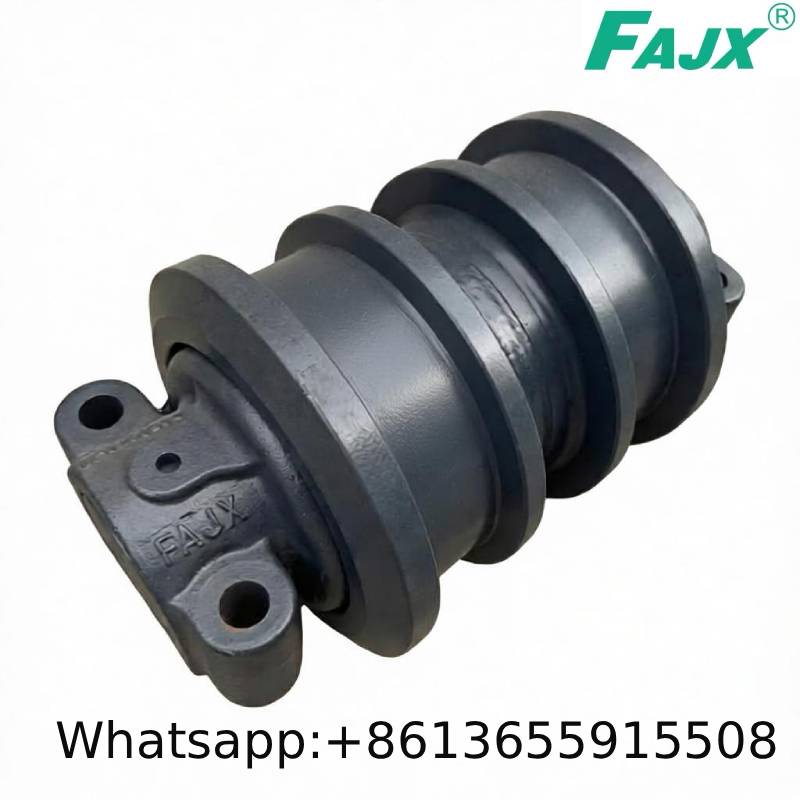
A track bottom roller, also known as a lower roller, is a critical undercarriage component installed beneath an excavator track frame. Its main purpose is to support the weight of the machine and transfer the load evenly across the track chain. During operation, the roller rotates continuously as the excavator moves forward, backward, or performs turning actions on different terrains.
Unlike ordinary mechanical parts, track bottom rollers operate under extreme conditions. They are exposed to heavy pressure, mud, rocks, dust, vibration, and frequent impact. Because of this demanding working environment, the quality of materials, sealing system, and manufacturing precision directly influence excavator performance.
Quanzhou Qiansheng Heavy Industry Machinery Co., Ltd. focuses on providing reliable excavator undercarriage solutions designed for different machine models and working environments. Professional manufacturing processes help ensure that track rollers deliver stable performance during long-term operation.
How Does a Track Bottom Roller Work?
The working principle of a track bottom roller is based on load support and rotational movement. When an excavator operates, the machine weight is transferred from the upper structure to the track frame. The bottom rollers then carry this weight and allow the track chain to move smoothly around the undercarriage system.
| Component Function | Working Purpose |
|---|---|
| Roller Shell | Provides structural support and contacts the track chain. |
| Shaft | Connects the roller to the track frame and supports rotation. |
| Floating Seal | Prevents oil leakage and blocks external contaminants. |
| Internal Lubrication | Reduces friction and improves service life. |
| Bearing System | Allows smooth rotation under heavy loads. |
When the excavator moves, the track chain pushes against the roller surface. The roller rotates while maintaining stable contact between the track assembly and the ground. This process reduces sliding friction and prevents excessive wear between components.
Without properly functioning rollers, the track system may experience increased resistance, uneven movement, and accelerated damage to other undercarriage parts.
Why Is a Track Bottom Roller Important for Excavators?
The undercarriage usually represents a significant portion of excavator maintenance costs. Since track rollers directly support machine movement, their condition has a major influence on operating efficiency and repair expenses.
- Improved Machine Stability: Strong rollers maintain correct track alignment and reduce unnecessary vibration.
- Reduced Track Wear: Proper roller performance helps distribute pressure evenly across the track chain.
- Better Operating Efficiency: Smooth rotation reduces energy loss and improves machine mobility.
- Lower Maintenance Costs: Durable rollers reduce replacement frequency and unexpected downtime.
- Enhanced Safety: Reliable undercarriage components help prevent track-related failures during operation.
For construction companies, mining operations, and rental equipment providers, selecting dependable track bottom rollers is not only a replacement decision but also a long-term investment in productivity.
Common Problems Caused by Poor Track Bottom Rollers
Many excavator problems originate from worn or low-quality undercarriage components. A damaged track bottom roller can affect the entire track system and increase operating costs.
| Problem | Possible Cause | Impact |
|---|---|---|
| Oil Leakage | Damaged seal or poor sealing performance | Reduced lubrication and accelerated wear |
| Abnormal Noise | Bearing damage or internal wear | Indicates possible component failure |
| Uneven Track Movement | Roller deformation or improper installation | Reduced machine stability |
| Short Service Life | Poor material quality or weak structure | Higher replacement frequency |
Ignoring these warning signs may lead to damage to other expensive parts, including track chains, sprockets, and idlers. Regular inspection allows operators to identify problems before they become major failures.
How to Choose the Right Track Bottom Roller?
Choosing the correct track bottom roller requires more than checking the external appearance. Different excavator models require specific dimensions, mounting structures, and performance characteristics.
Before purchasing a replacement roller, consider the following factors:
- Machine Compatibility: Confirm the excavator model and undercarriage specifications.
- Material Quality: High-strength alloy steel improves resistance against impact and abrasion.
- Manufacturing Precision: Accurate machining ensures proper installation and stable operation.
- Sealing Performance: Effective seals protect internal parts from water, dust, and mud.
- Supplier Experience: Professional manufacturers provide better technical support and product consistency.
Quanzhou Qiansheng Heavy Industry Machinery Co., Ltd. provides excavator undercarriage components developed for demanding working environments. By combining engineering knowledge with manufacturing expertise, the company helps customers maintain reliable equipment performance.
Maintenance Tips to Extend Track Bottom Roller Service Life
Proper maintenance can significantly improve roller durability and reduce unnecessary repair costs. Operators should establish regular inspection routines based on working conditions and machine usage.
- Check rollers regularly for oil leakage, cracks, or unusual wear.
- Keep the undercarriage clean to prevent mud and debris accumulation.
- Monitor track tension because incorrect tension increases roller stress.
- Replace damaged rollers immediately to prevent further component damage.
- Follow manufacturer recommendations for inspection intervals.
Machines operating in mining, forestry, or muddy environments usually require more frequent inspections because harsh conditions accelerate component wear.
Key Differences Between Standard and High-Quality Rollers
| Feature | Standard Roller | High-Quality Roller |
|---|---|---|
| Material Strength | Basic steel materials | High-strength alloy materials |
| Wear Resistance | May wear quickly under heavy loads | Designed for longer service life |
| Sealing System | Limited protection | Improved protection against contamination |
| Performance Stability | May experience faster degradation | Maintains reliable operation |
Investing in quality track bottom rollers helps companies reduce machine downtime and improve overall operating efficiency. The right component choice can create significant value throughout the equipment lifecycle.
Frequently Asked Questions
1. What is the main function of a track bottom roller?
A track bottom roller supports the excavator weight, guides the track chain, reduces friction, and ensures smooth movement of the undercarriage system.
2. How often should track bottom rollers be replaced?
Replacement frequency depends on machine type, working environment, operating hours, and maintenance conditions. Regular inspection is the best way to determine replacement timing.
3. What causes track roller failure?
Common causes include insufficient lubrication, damaged seals, excessive load, poor maintenance, and low-quality replacement parts.
4. Can one track roller fit different excavator models?
No. Track rollers are designed according to specific machine models and dimensions. Correct matching is essential for safe and efficient operation.
5. Why choose Quanzhou Qiansheng Heavy Industry Machinery Co., Ltd. for track bottom rollers?
Quanzhou Qiansheng Heavy Industry Machinery Co., Ltd. provides professional excavator undercarriage components with attention to durability, compatibility, and reliable performance for various applications.
Conclusion
A track bottom roller plays a fundamental role in maintaining excavator stability, efficiency, and long-term reliability. Because it works under continuous heavy loads and harsh conditions, choosing a durable and properly designed roller is essential for reducing maintenance problems and improving productivity.
By understanding how track bottom rollers work, recognizing failure signs, and selecting dependable components, equipment owners can protect their investment and keep machines operating efficiently. Quanzhou Qiansheng Heavy Industry Machinery Co., Ltd. is committed to delivering reliable excavator undercarriage solutions that meet the needs of modern construction and industrial applications.
For high-quality track bottom rollers and professional excavator undercarriage solutions, please contact us today to discuss your requirements and find the right products for your equipment.
Related News
- FAJX PARTS Upgrades Komatsu PC20 Top Roller 9237948 for Mini Excavator Harsh Working Conditions
- How Does a Top Roller Improve Excavator Undercarriage Performance?
- Causes of oil leakage of excavator carrier roller-PC500 Track Roller
- Advantages of One-Piece Forged Excavator Track Roller
- How Does a Drive Sprocket Improve Excavator Performance and Extend Undercarriage Life?
- How Does a Drive Sprocket Improve Excavator Undercarriage Performance?
Leave me a message