

Industry News
 04 2026-10
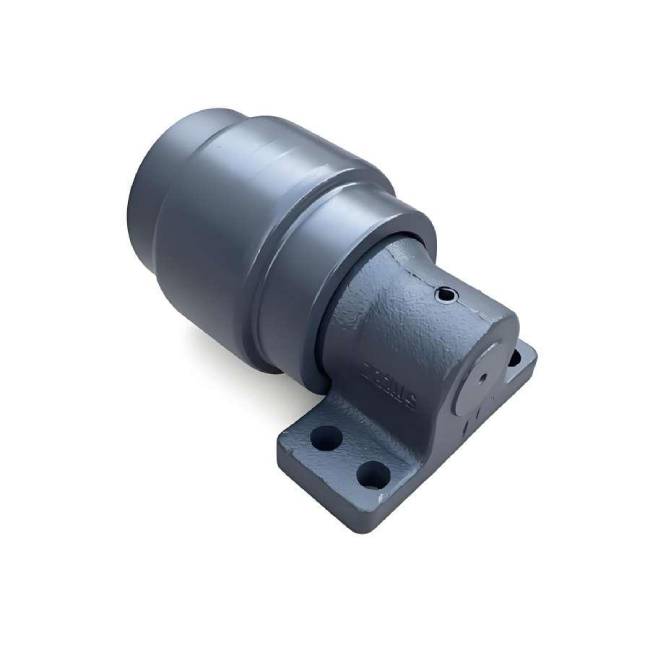
 FAJX PARTS Upgrades Komatsu PC20 Top Roller 9237948 for Mini Excavator Harsh Working Conditions
FAJX PARTS upgraded Komatsu PC20 track roller 9237948. Made of forged 40Mn2 alloy steel with medium-frequency quenching and CNC machining within 0.02mm tolerance. Fits PC20-2/3/6/7 mini excavators. Equipped with Cr16Mo2NiCu floating oil seal, mud & temperature resistant. Service life matches or exceeds OEM parts.
 19 2026-08
 How Does a Top Roller Improve Excavator Undercarriage Performance?
A top roller is a critical component in an excavator’s undercarriage system, supporting the upper section of the track chain and helping maintain stable track movement. When a top roller wears out or fails, operators may experience abnormal track noise, uneven movement, increased fuel consumption, and expensive downtime. This article explains how top rollers work, why they matter, how to select the right component, and how professional solutions from Quanzhou Qiansheng Heavy Industry Machinery Co., Ltd. can help improve excavator reliability and operating efficiency.
 18 2026-08
 Causes of oil leakage of excavator carrier roller-PC500 Track Roller
Oil leakage of track rollers is mostly caused by damaged sealing components, followed by issues from assembly, machining, operating conditions and lubricating oil. The interior of a track roller is filled with gear oil, which relies on floating oil seals (dual‑metal rings plus O‑rings) for rotary sealing. Oil seepage or dripping will occur once the seal fails.PC1250 Track Roller
 14 2026-08
 Advantages of One-Piece Forged Excavator Track Roller
Our integrally forged track roller is manufactured from high-strength alloy steel via heavy-duty forging, outperforming conventional cast and welded assembled rollers greatly:
 12 2026-08
 How Does a Drive Sprocket Improve Excavator Performance and Extend Undercarriage Life?
A drive sprocket is one of the most important components in an excavator undercarriage system. It transfers power from the final drive motor to the track chain, allowing heavy equipment to move efficiently across different working environments. However, many operators experience problems such as excessive wear, track slipping, abnormal noise, and increased maintenance costs due to poor-quality or incorrectly matched drive sprockets.
 06 2026-08
 How Does a Track Bottom Roller Improve Excavator Undercarriage Performance?
The track bottom roller is one of the most important components in an excavator undercarriage system. Although it works continuously under the machine, many operators only notice its importance when problems such as abnormal noise, track instability, excessive wear, or unexpected downtime occur. A high-quality track bottom roller supports the weight of the excavator, guides the track chain, reduces friction, and helps maintain smooth movement during heavy-duty operations.