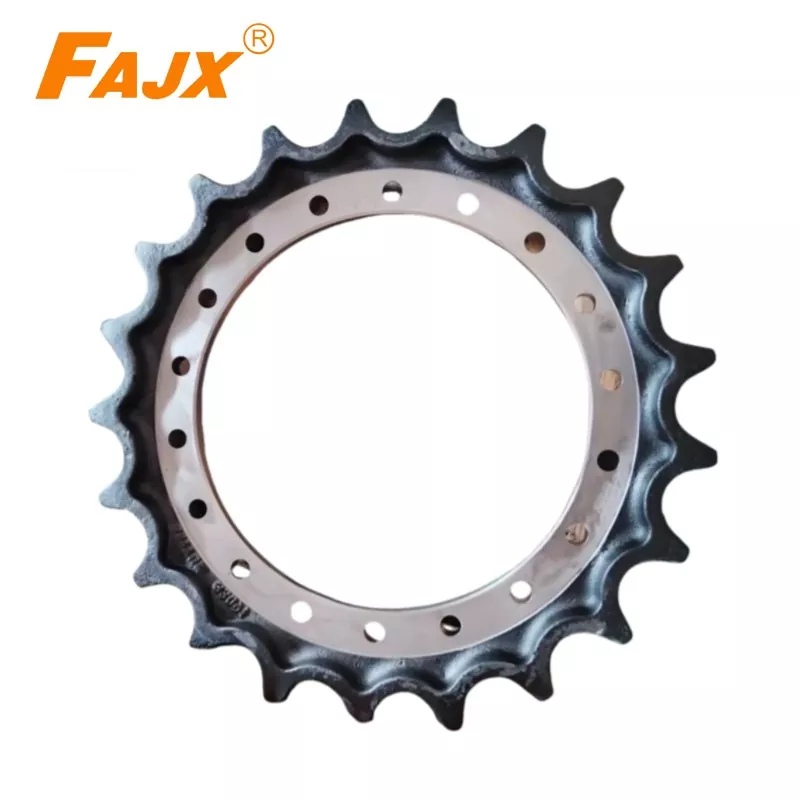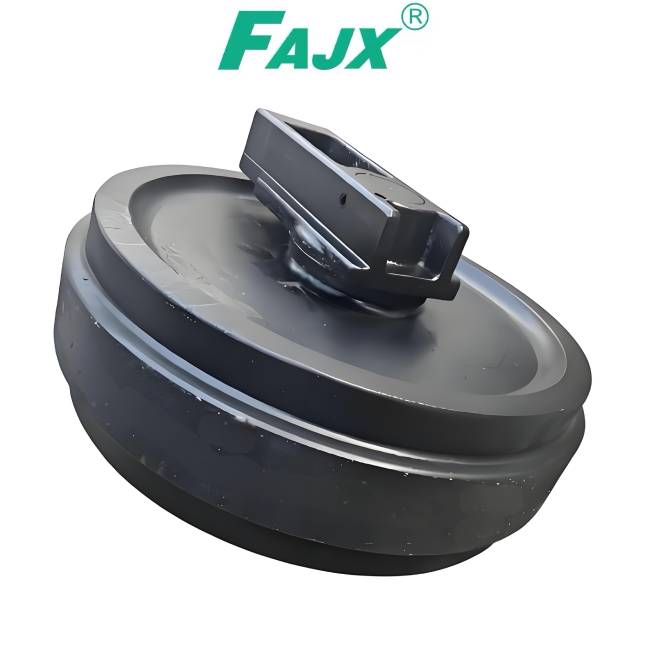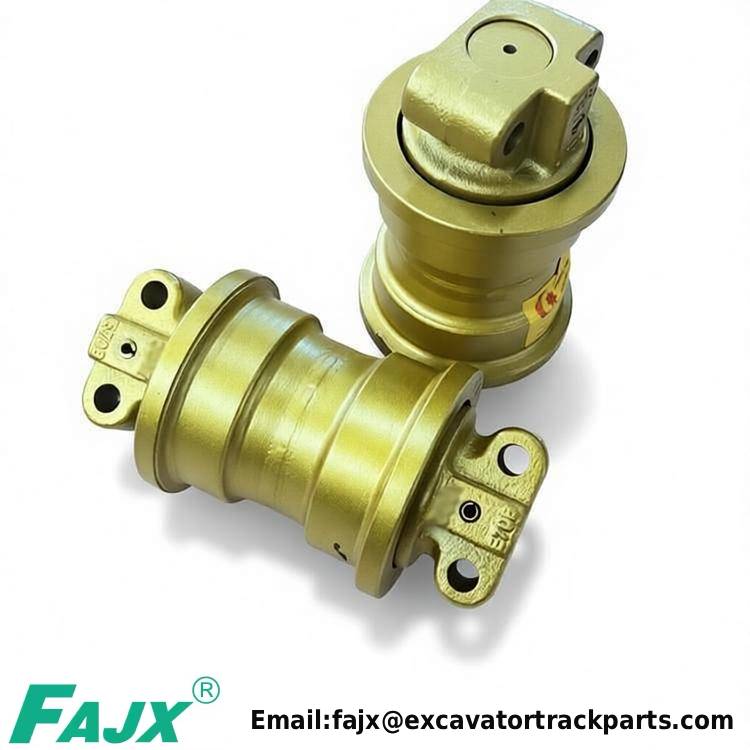

For procurement managers, maintenance supervisors, and equipment dealers, the selection of undercarriage components—track rollers, idlers, sprockets, and track chains—represents a significant operational expense. The decision between original equipment manufacturer (OEM) parts and aftermarket alternatives often involves balancing initial cost against long-term durability and machine uptime. This article examines the key technical parameters and manufacturing processes that influence the service life of undercarriage parts, providing a reference for informed purchasing decisions.
Material Selection and Heat Treatment
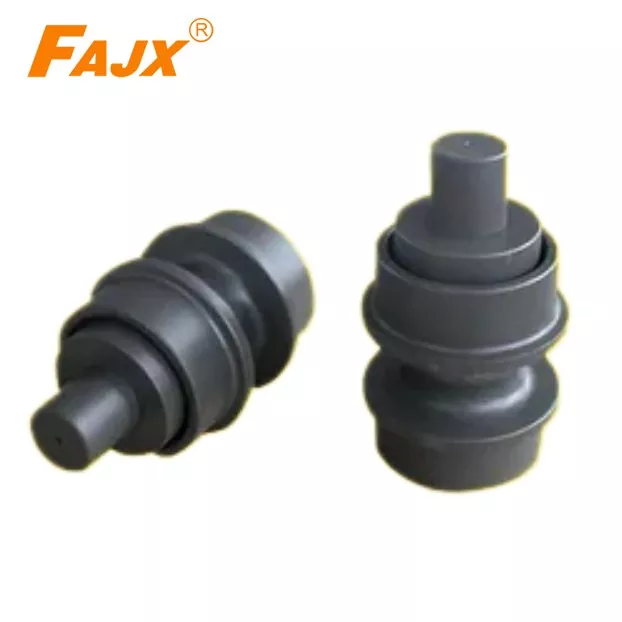
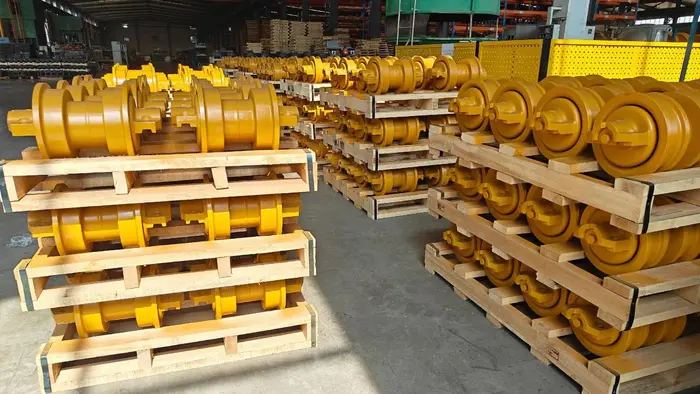
The base material and subsequent heat treatment are primary determinants of a track roller or idler's wear resistance and load-bearing capacity. Most undercarriage components are manufactured from medium-carbon alloy steels, such as 40Mn2 or similar grades, which offer a combination of strength and toughness. The manufacturing process typically begins with closed-die forging, which aligns the grain structure of the steel to improve impact resistance.
Following forging, the components undergo induction hardening. This process selectively hardens the tread surface of rollers and the flange area of idlers. A typical specification for a track roller includes a surface hardness of HRC 52-58, with a hardened depth of 6-10mm. This hardened layer provides resistance to abrasive wear from soil and rock, while the core of the component retains its toughness to absorb impact loads. Hardness testing, such as Rockwell, should be performed on each batch, and test reports should be available for review.
Sealing Systems and Bearing Design
The operational environment for undercarriage parts includes water, mud, sand, and fine particulate matter. Effective sealing is necessary to prevent these contaminants from entering the bearing area, which is a common cause of premature roller failure. Two primary sealing technologies are used:
- Floating Seal (Metal Face Seal): This design uses two precisely machined metal rings that are pressed together by a spring. It provides a robust seal against heavy contamination and is commonly used in larger excavators operating in mining and quarrying.
- Duo-Cone Seal: Similar to floating seals, this is a heavy-duty seal designed to handle severe conditions.
In addition to the seal type, the bearing design affects performance. Some rollers use a tapered roller bearing, which can handle both radial and axial loads, while others use a bushing system with a hardened steel shaft. The choice of bearing impacts the roller's ability to withstand side loads during turning operations.
Structural Design Considerations
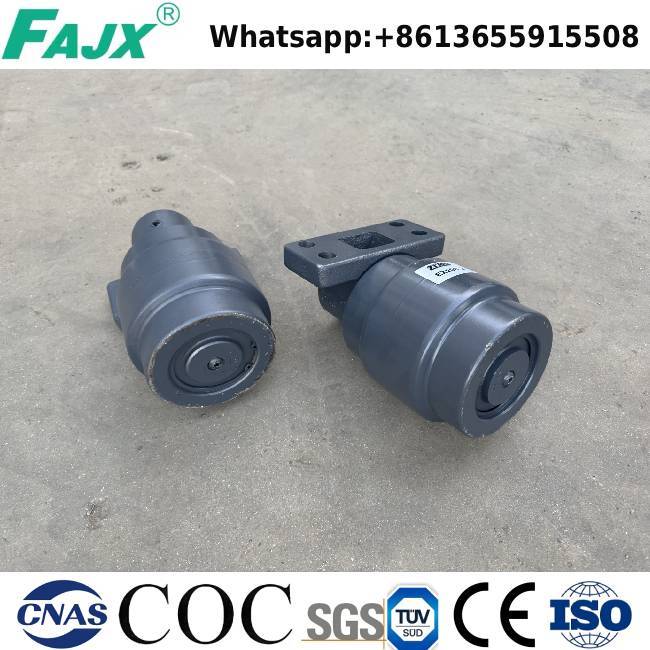
Track rollers are available in single-flange and double-flange configurations. The choice depends on the specific application and machine design.
- Single-Flange Rollers: These are generally used on the inner positions of the track frame and permit a degree of lateral track movement, which can reduce stress on the track chain and frame.
- Double-Flange Rollers: With flanges on both sides, these rollers provide maximum lateral guidance for the track chain. They are often specified for the outer positions on larger machines or for equipment operating on slopes and uneven terrain.
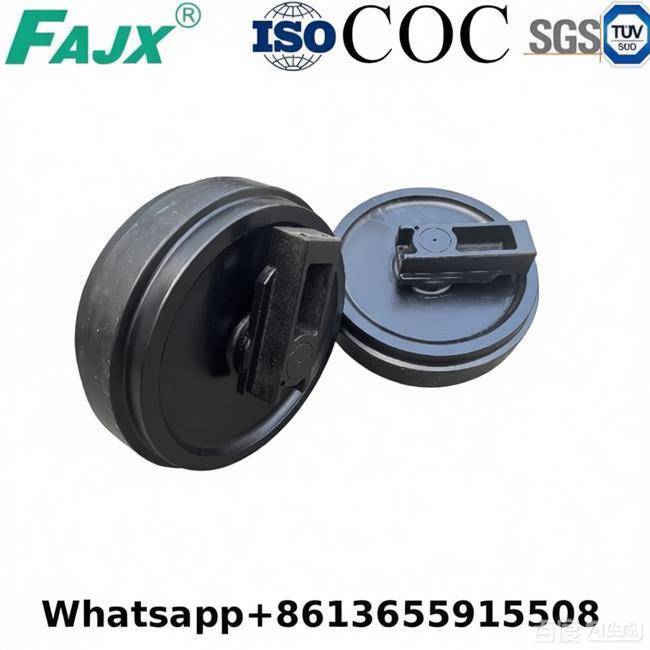
The design of the idler wheel also plays a role in track alignment. The idler works with the track adjuster to maintain proper tension. A correctly designed idler ensures the track chain aligns with the sprocket and the rest of the undercarriage, reducing wear on all components.
Quality Control and Manufacturing Standards
Consistent quality in manufacturing is achieved through a combination of process control and inspection. A typical manufacturing workflow for a track roller includes the following stages:
- Material Incoming Inspection: Chemical composition and physical properties of raw steel are verified.
- Forging: The rough shape is formed.
- Pre-Machining: Basic dimensions are established.
- Heat Treatment: Hardening and tempering processes are applied.
- Finish Machining: Precise dimensions, including shaft and bolt hole positions, are machined to OEM specifications.
- Final Inspection: Dimensional checks, hardness testing, and visual inspection for surface defects are performed.
For buyers, requesting documentation such as material test certificates and dimensional inspection reports is a standard practice for verifying quality compliance.
Factors Affecting Service Life
The service life of undercarriage components is influenced by several factors beyond the part's initial quality. These include:
- Operating Conditions: Abrasive materials, such as rock and sand, accelerate wear. Components used in high-impact applications, such as demolition or quarrying, are subject to more severe loads.
- Maintenance Practices: Regular track tension adjustment and cleaning of the undercarriage can significantly extend the life of rollers, idlers, and chains.
- Machine Operation: Operating techniques, such as sharp turns on hard surfaces, can increase side loads and wear on flanges and bearings.
Establishing a preventive maintenance schedule based on operating hours and visual inspections can help predict component replacement needs and avoid unplanned downtime.
Selecting a Supplier
When evaluating a supplier of undercarriage parts, consider the following aspects of their operation:
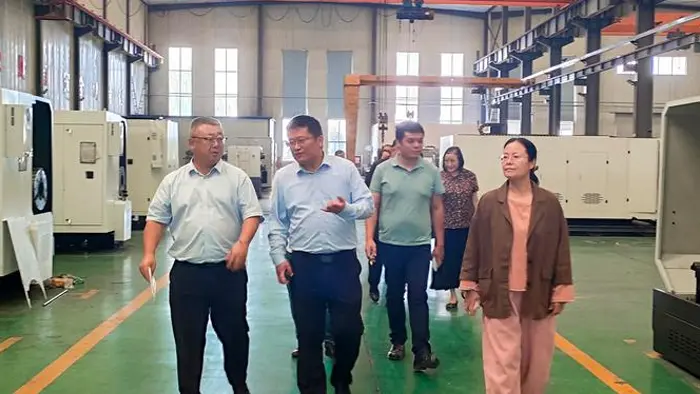
- Manufacturing Capability: Does the supplier have in-house forging, heat treatment, and CNC machining facilities? Control over the entire production process can influence quality consistency.
- Quality System: Is there a documented quality management system, such as ISO 9001, in place? This indicates a commitment to process control.
- Track Record: Understanding the supplier's history in the industry and their experience with specific machine models can provide insight into their reliability.
- Support and Service: The ability to provide technical support, clear communication, and responsive after-sales service is a factor in a stable supply relationship.
Effective procurement involves evaluating these technical and operational factors to select a supplier whose capabilities align with the needs of the end-user.
For further information on undercarriage parts or to discuss your specific requirements, please contact our technical team. We offer consultations on part selection and compatibility for your equipment fleet.